
What Are the Most Energy-Efficient Appliances?
Wed Feb 26 2025
- Laundry
- Refrigeration
- Kitchen
Are you wondering why your electric bill is so high? Energy costs can creep up quickly, and if you’re still using older, inefficient appliances, you might be paying more than you need to. Upgrading to energy-efficient appliances can cut your utility bills while also being kinder to the planet.
But which appliances make the biggest difference? Let’s break it down so you can make smart choices for your home (and your wallet).
What Does Energy-Efficient Really Mean?
Before we dive in, let’s clear up what “energy-efficient” actually means. In simple terms, an energy-efficient appliance uses less electricity (or water, if applicable) to perform the same function as a standard model. You’ll see a lot of them sporting an ENERGY STAR label—this means they meet strict efficiency standards set by the Environmental Protection Agency (EPA).
According to the Department of Energy, homes with ENERGY STAR appliances can save hundreds of dollars per year on utility bills. Over time, that adds up. Plus, many models qualify for appliance rebates, making the switch even more affordable.
The Most Energy-Efficient Appliances for Your Home
1. Refrigerators
Your fridge runs 24/7, making it one of the biggest energy users in your home. Older models can be real electricity hogs, but newer energy efficient refrigerators use advanced insulation, high-efficiency compressors, and precise temperature controls to minimize power consumption. Upgrading to an ENERGY STAR-certified model can cut your fridge’s energy significantly, saving you money every month.
Top Pick from Oliver Dyer’s:
GE® ENERGY STAR French-Door Refrigerator (Model: GNE25JYKFS)
✅ ENERGY STAR certified
✅ Internal temperature controls
✅ LED interior lighting
2. Dishwashers
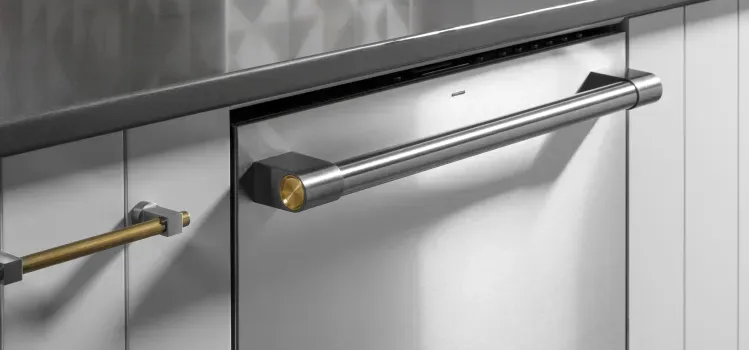
Modern dishwashers are smarter and more efficient than ever. Energy efficient dishwashers use advanced filtration, targeted spray jets, and better drying technology to cut energy and water usage. Plus, they actually clean your dishes better than handwashing (and use way less water). Many models also feature soil sensors that adjust the wash cycle based on how dirty your dishes are, ensuring optimal cleaning while using the least amount of resources.
Top Pick from Oliver Dyer’s:
Monogram Fully Integrated Dishwasher (Model: ZDT925SSNSS)
✅ ENERGY STAR certified
✅ Hard food disposer with stainless steel blades
✅ 42 dBA with LED status indicator on door
Tip: An ENERGY STAR dishwasher uses 12% less energy and 30% less water than a non-certified model.
3. Washing Machines
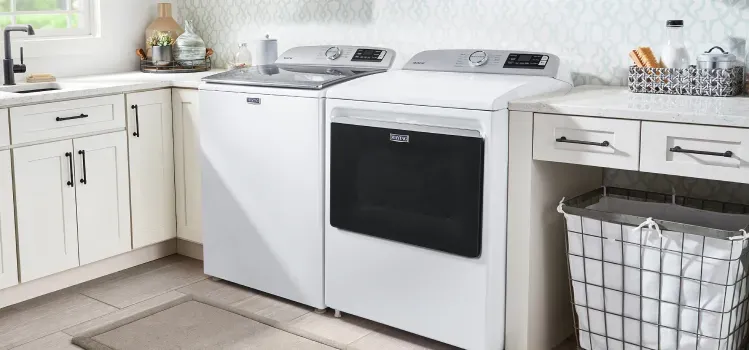
If you have an old-school top-loader with an agitator, you’re using way more water and energy than necessary. Front-load washers and high-efficiency top-load washers use less water and adjust the cycle based on load size. They also spin faster, extracting more water from clothes, which means less drying time and even more energy savings.
Top Pick from Oliver Dyer’s:
Maytag Top Load Washer with Extra Power Button (Model: MHW5630HW)
✅ ENERGY STAR certified
✅ Uses less water and energy
✅ Extra Power button fights tough stains
4. Dryers
Believe it or not, dryers can be energy-efficient too. Energy-efficient dryers have moisture sensors that stop the cycle when clothes are dry, preventing wasted energy (and heat damage to fabrics). Heat pump dryers are even better, using about far less energy than traditional models.
Top Pick from Oliver Dyer’s:
7.4 cu. ft. Smart Front Load ENERGY STAR® Electric Dryer with Steam Capabilities (Model: WED6720RW)
✅ ENERGY STAR certified
✅ Auto-sensing drying to prevent overuse
✅ Large capacity to dry bigger loads efficiently
Tip: Always clean the lint trap! A clogged filter can make your dryer work harder, using more energy.

5. Cooktops
Induction cooktops are the kings of energy efficiency when it comes to cooking. They use electromagnetic energy to heat your pots directly, rather than heating the cooktop surface. This means faster cooking times and less wasted heat.
Top Pick from Oliver Dyer’s:
Café™ Series 36" Built-In Touch Control Induction Cooktop (Model: CHP90362TSS)
✅ Uses up to 50% less energy than gas or electric cooktops
✅ Smooth glass surface with glide touch controls
✅ Built-In WiFi so you can monitor your burners
Upgrade to Energy-Efficient Appliances at Oliver Dyer’s
If you’re wondering whether energy-efficient appliances are worth it, the short answer is yes. They save you money, reduce your environmental impact, and often come with smart features that make life easier. Plus, they tend to have longer lifespans and require less maintenance than older, less efficient models.
Ready to become more energy efficient? Feel free to give us a call, reach out online, or visit our Fort Worth, Texas, appliance store to talk with our experts. Stop by today and let us help you find the perfect appliances to transform your kitchen! We also offer scratch and dent appliances for great deals on appliances from top brands.
Related readings from our blog:
FAQ: Common Questions About Energy-Efficient Appliances
1. Which type of appliance is most energy efficient?
Refrigerators and washing machines are among the most energy-efficient appliances, especially when ENERGY STAR certified.
2. What appliances use the least electricity?
Dishwashers, front-load washing machines, and induction cooktops tend to use the least electricity compared to older models.
3. What drains the most electricity in a house?
Heating and cooling systems take the top spot, but older refrigerators and dryers can also be major energy hogs.
4. Does unplugging appliances save electricity?
Yes! Many appliances draw power even when turned off. Unplugging things like coffee makers and TVs can cut down on “phantom” energy use.
5. How much does it cost to run a fridge per month?
A modern ENERGY STAR refrigerator costs about $4–$10 per month, while older models can cost twice as much.
6. Are gas or electric appliances more energy efficient?
It depends on the appliance—gas dryers and stoves are often more cost-effective, but electric models, especially induction cooktops and heat pump dryers, can be more energy-efficient overall.
Related Articles