
How to Properly Install a Wall Oven
Mon Feb 09 2026
- Kitchen
Wall ovens are a popular choice for homeowners looking to elevate both the functionality and design of their kitchens. By separating the oven from the cooktop, wall ovens allow for more flexible layouts, improved ergonomics, and a clean, built-in appearance. However, achieving that sleek, seamless look depends heavily on proper installation.
Whether you’re installing a wall oven for the first time or replacing an existing unit, careful planning is essential. From cabinet dimensions to electrical requirements, even small oversights can lead to costly adjustments or performance issues.
This guide covers how to install a wall oven with essential wall oven installation tips to help ensure your new appliance fits perfectly, operates safely, and complements your kitchen design.
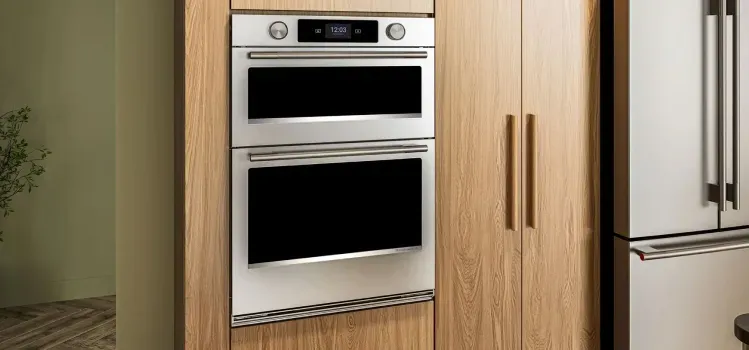
Why Proper Wall Oven Installation Matters
Wall ovens aren’t freestanding appliances, they’re built directly into cabinetry. This makes installation far more precise than installing a traditional range. A properly installed wall oven offers:
-
Flush alignment with cabinetry
-
Improved airflow and heat management
-
Safer electric or gas connections
-
Long-term reliability and performance
Skipping preparation steps or assuming all wall ovens fit the same opening can result in gaps, uneven finishes, or functional issues.
Step 1: Measure Everything, Twice
Accurate measurements are the foundation of a seamless wall oven installation.
Key Dimensions to Confirm
-
Cabinet cutout width, height, and depth
-
Interior cabinet depth, not just face depth
-
Clearance for door swing
-
Distance from surrounding cabinetry or appliances
Wall ovens are available in standard sizes, but variations between brands and models make exact measurements critical.
Step 2: Choose the Right Wall Oven Type
Not all wall ovens are created equal, and installation requirements vary by type.
Single Wall Ovens
Single wall ovens are ideal for most households and fit comfortably into standard cabinet cutouts.
Double Wall Ovens
Double wall ovens provide added capacity and flexibility but require taller cabinetry and additional electrical considerations.
Gas Wall Ovens
Gas wall ovens require proper gas hookups and ventilation planning in addition to cabinet preparation.
Wall Oven Combinations
Combination units, such as wall oven and microwave combos, offer space-saving convenience but require precise cabinet compatibility.
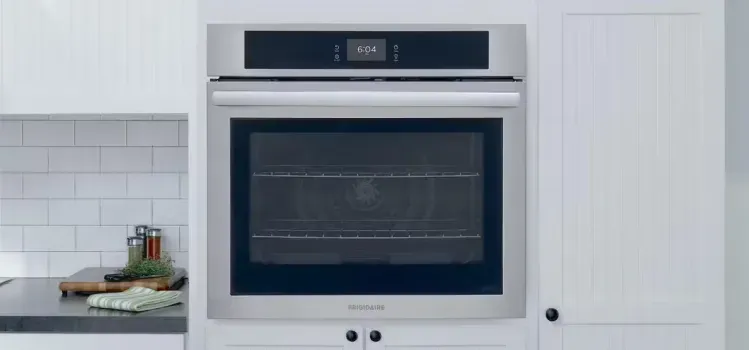
Step 3: Prepare Cabinetry for a Built-In Fit
Cabinet readiness is one of the most overlooked aspects of wall oven installation.
Cabinet Preparation Tips
-
Ensure cabinets are level and square
-
Confirm cabinet materials can withstand oven heat
-
Reinforce cabinetry if needed to support the oven’s weight
-
Remove any obstructions inside the cutout
Wall ovens are heavy, and proper structural support is essential for safety and longevity.
Step 4: Understand Electrical and Gas Requirements
Wall ovens have specific power needs that must be met before installation.
Electrical Wall Ovens
Most electric wall ovens require:
-
A dedicated circuit
-
Proper voltage and amperage
-
Correct junction box placement
Failure to meet electrical requirements can result in performance issues or code violations.
Gas Wall Ovens
Gas models require:
-
A properly sized gas line
-
Secure shut-off access
-
Adequate ventilation
Because gas connections involve additional safety considerations, professional installation is strongly recommended.
Step 5: Plan for Ventilation and Heat Management
While wall ovens are designed for built-in use, they still generate heat that must be managed properly.
Ventilation Best Practices
-
Follow manufacturer clearance guidelines
-
Avoid blocking ventilation openings
-
Ensure nearby appliances are compatible
Proper ventilation protects surrounding cabinetry and helps maintain consistent cooking performance.
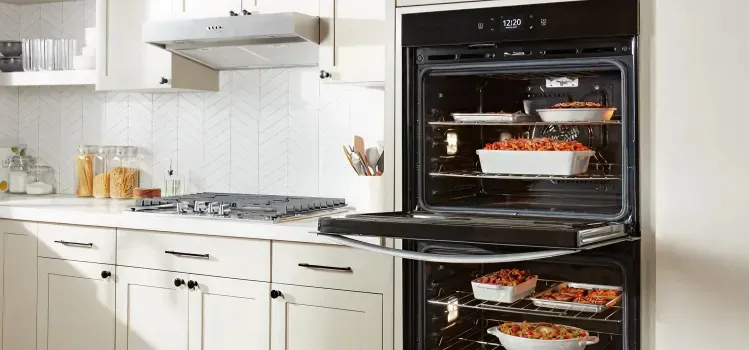
Step 6: Align the Oven for a Flush Finish
One of the biggest advantages of a wall oven is its streamlined appearance, but that only happens with proper alignment.
Installation Alignment Tips
-
Adjust mounting brackets carefully
-
Confirm the oven sits flush with cabinet faces
-
Check door alignment before final securing
Even slight misalignment can disrupt the visual flow of your kitchen.
Step 7: Coordinate with Other Cooking Appliances
Wall ovens often work in tandem with other cooking appliances, making layout coordination important.
Explore complementary appliances at Oliver Dyer’s, including:
Ensuring proper spacing and compatibility between appliances helps create a cohesive and functional cooking zone.
Step 8: Professional Installation vs DIY
While some homeowners consider DIY installation, wall ovens are typically better left to professionals.
Why Professional Installation Matters
-
Ensures code compliance
-
Reduces risk of damage or injury
-
Guarantees correct electrical or gas connections
-
Protects manufacturer warranties
Professional installers have the tools and experience needed to handle the complexity of built-in appliances.
Common Wall Oven Installation Mistakes to Avoid
Avoid these common pitfalls:
-
Assuming all wall ovens are standard size
-
Ignoring electrical or gas requirements
-
Skipping cabinet reinforcement
-
Forgetting door clearance space
-
Installing without verifying ventilation needs
Careful planning helps prevent last-minute surprises.
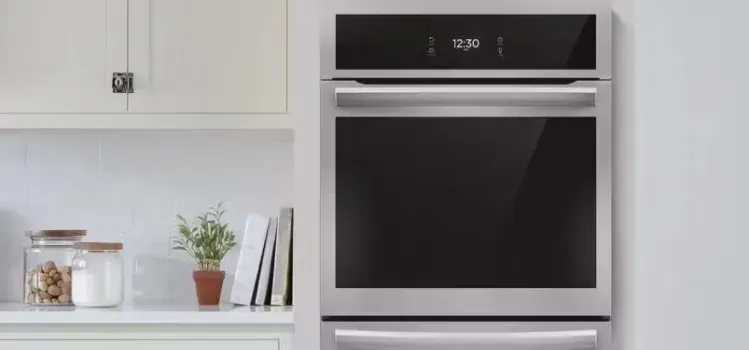
Get Expert Help on Wall Oven Installation from Oliver Dyer’s
A seamless wall oven installation starts with expert guidance. At Oliver Dyer’s, our team can help you select the right wall oven and ensure proper installation planning from day one.
Visit Oliver Dyer’s in Fort Worth, your trusted Texas appliance store, to explore the latest appliances from top brands and make sure your next kitchen upgrade fits perfectly. Contact us or give us a call and experience the difference in home appliance shopping.
Related Readings from our blog:
FAQs: How to Install a Wall Oven
Do wall ovens come in standard sizes?
Most wall ovens follow standard sizing, but cutout dimensions can vary slightly by brand and model.
Can I replace a wall oven with a different brand?
Yes, but measurements and electrical or gas requirements must be verified to ensure compatibility.
Should wall ovens be installed at eye level?
Many homeowners prefer eye-level installation for convenience, but placement depends on kitchen layout and user preference.
Are wall oven combinations harder to install?
Combination units require precise measurements but offer excellent space-saving benefits when installed correctly.
Related Articles