
Refrigerator Not Cooling? Common Causes and Fixes
Wed Jul 15 2026
- Refrigeration
You expect your refrigerator to keep your food cold and fresh around the clock, so it can be frustrating when you open the door and realize it isn't as cold as it should be. If you're asking yourself, "Why is my fridge warm?" or searching for refrigerator troubleshooting tips, you've come to the right place.
Not every refrigerator cooling problem requires a costly repair or replacement. In many cases, a simple adjustment or cleaning gets things working again.
In this guide, we'll cover the most common reasons a fridge is not getting cold, quick troubleshooting steps you can try yourself, and how to know when it's time to call a professional or replace your refrigerator.
Key Takeaways: Refrigerator Not Cooling Troubleshooting
-
If your refrigerator is not cooling, simple issues like incorrect temperature settings, dirty condenser coils, blocked air vents, or damaged door seals may be the cause.
-
Basic refrigerator troubleshooting can often restore cooling performance without requiring a service call.
-
More serious problems, such as a faulty compressor, evaporator fan, or refrigerant issue, typically require professional diagnosis and repair.
-
Regular maintenance, including cleaning condenser coils and checking door gaskets, can help prevent cooling problems and extend the life of your refrigerator.
-
If repair costs are high or your refrigerator is nearing the end of its lifespan, upgrading to a newer, energy-efficient model may be the better long-term solution
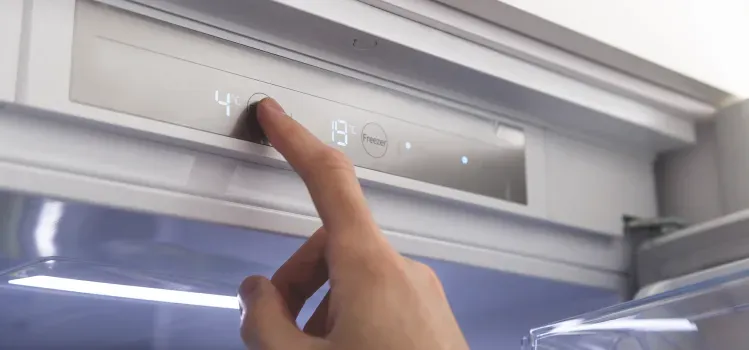
Step 1: Check the Temperature Settings
Before assuming something is broken, verify that your refrigerator settings haven't been changed accidentally.
The ideal refrigerator temperature is between 35°F and 38°F, while your freezer should stay around 0°F.
Temperature settings can sometimes be bumped while loading groceries or cleaning the refrigerator.
Quick Fix:
-
Set the refrigerator between 35°F and 38°F.
-
Allow up to 24 hours for temperatures to stabilize after making adjustments.
Step 2: Make Sure the Doors Are Closing Properly
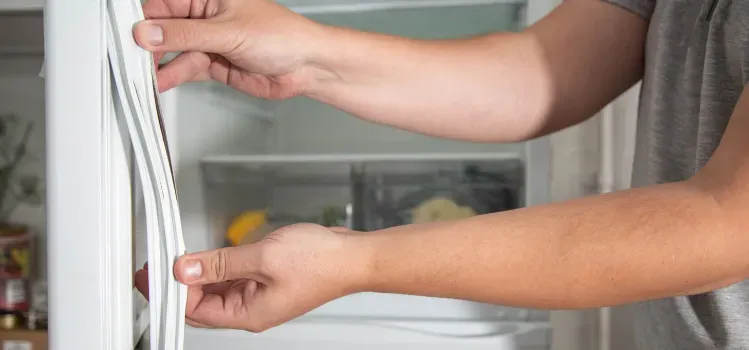
One of the most common causes of a refrigerator not cooling is warm air entering through an improperly sealing door.
Check for:
-
Food containers blocking the door
-
Dirty door gaskets
-
Torn or cracked door seals
-
Doors that aren't fully closing
Quick Fix: Clean the gasket with warm, soapy water and inspect it for damage. Replace worn seals if necessary.
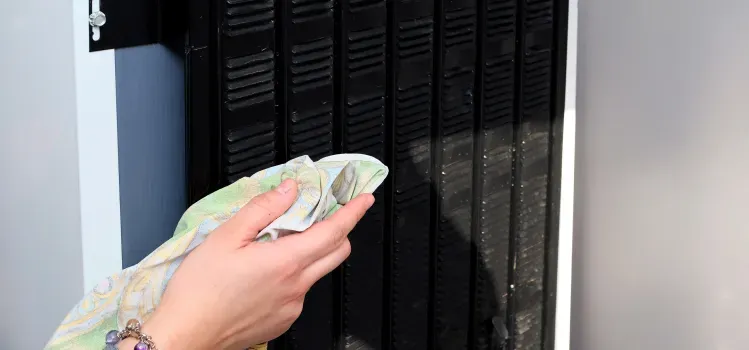
Step 3: Clean the Condenser Coils
Dirty condenser coils force your refrigerator to work much harder and can prevent it from maintaining proper temperatures.
Dust, pet hair, and debris often accumulate beneath or behind the refrigerator.
Quick Fix:
-
Unplug the refrigerator.
-
Locate the condenser coils.
-
Vacuum away dust.
-
Use a coil cleaning brush for stubborn debris.
-
Restore power.
Cleaning the coils every six months can improve cooling performance and extend the life of your refrigerator.
Step 4: Check Air Vents Inside the Refrigerator
Cold air needs to circulate freely throughout the refrigerator compartment.
Overpacked shelves or blocked vents can prevent cool air from reaching every section.
Quick Fix:
-
Avoid overfilling your refrigerator.
-
Leave space around interior air vents.
-
Rearrange large containers that block airflow.
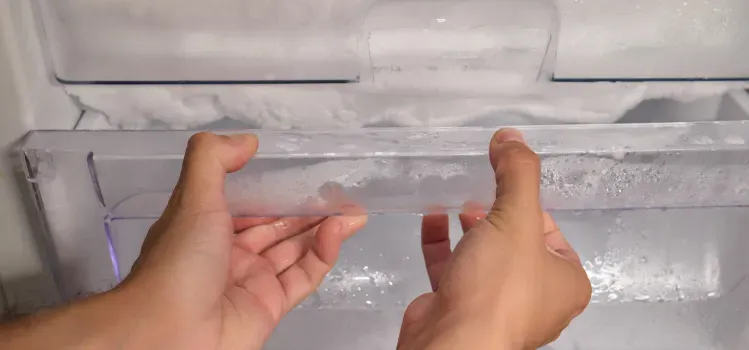
Step 5: Verify the Freezer Is Working Properly
Many refrigerators use the freezer to circulate cold air into the fresh food compartment.
If your freezer is cold but the refrigerator is warm, the issue may involve:
-
An evaporator fan
-
Air damper
-
Frost buildup
-
Defrost system
These problems typically require professional diagnosis.
Step 6: Listen for the Compressor
The compressor is the heart of your refrigerator.
If it never runs, repeatedly clicks, or runs continuously without cooling, there could be a more serious mechanical issue.
Signs include:
-
Clicking noises
-
Constant humming without cooling
-
Complete silence
If you notice these symptoms, it's time to schedule refrigerator service.
The Most Common Causes of a Refrigerator Not Cooling
Here are the issues technicians see most often:
-
Incorrect temperature settings
-
Dirty condenser coils
-
Blocked air vents
-
Faulty door gasket
-
Frost buildup
-
Failed evaporator fan
-
Malfunctioning thermostat
-
Compressor problems
-
Defective start relay
-
Refrigerant leaks
Some of these can be resolved at home, while others require professional repair.
Refrigerator Troubleshooting Checklist
Before calling for service, try these simple checks:
-
Confirm the refrigerator has power.
-
Check the circuit breaker.
-
Verify the temperature settings.
-
Clean the condenser coils.
-
Make sure the doors seal properly.
-
Remove anything blocking interior vents.
-
Listen for unusual noises.
-
Check whether the freezer is cooling normally.
These quick steps solve many common refrigerator cooling problems.
Should You Repair or Replace Your Refrigerator?
Sometimes repairing your refrigerator makes perfect sense. Other times, replacing it is the better investment.
Consider Repairing If:
-
The refrigerator is less than 8 years old.
-
The repair is relatively inexpensive.
-
The appliance has otherwise been reliable.
-
It only needs a thermostat, fan motor, or gasket.
Consider Replacing If:
-
Your refrigerator is more than 12 to 15 years old.
-
The compressor has failed.
-
Repairs cost more than half the price of a replacement.
-
Your energy bills have increased significantly.
-
You have experienced multiple breakdowns in recent years.
New refrigerators are significantly more energy-efficient and often include features such as WiFi connectivity, dual cooling systems, flexible storage, internal water dispensers, and fingerprint-resistant finishes.
Tips to Help Prevent Refrigerator Cooling Problems
Routine maintenance can help prevent many cooling issues before they start.
Here are a few simple habits that can keep your refrigerator running efficiently:
-
Clean condenser coils every six months.
-
Keep door seals clean.
-
Don't overload the refrigerator.
-
Check temperatures regularly.
-
Leave enough clearance around the refrigerator for proper ventilation.
-
Replace damaged door gaskets promptly.
A little preventative maintenance can extend the life of your appliance and improve energy efficiency.
Shop Refrigerators at Oliver Dyer's Appliance
If your refrigerator is beyond repair, replacing it may save you money and frustration in the long run.
At Oliver Dyer's Appliance in Fort Worth, we carry a wide selection of refrigerators from trusted brands including GE Appliances, KitchenAid, Whirlpool, and more. Whether you're looking for a French door, side-by-side, top-freezer, bottom-freezer, or built-in refrigerator, our team can help you find the perfect fit for your home and budget.
Visit our appliance store in Fort Worth, Texas to compare models in person, contact us, or browse online. Looking to save even more? Shop our scratch and dent appliances at unbeatable prices.
Related readings from our blog:
FAQs About Refrigerators Not Cooling
Why is my refrigerator running but not getting cold?
A refrigerator that runs but doesn't cool may have dirty condenser coils, blocked air vents, a faulty evaporator fan, or a compressor problem. Start with basic troubleshooting before scheduling service.
Why is my fridge warm but my freezer is cold?
This usually indicates an airflow issue between the freezer and refrigerator compartments. A failed evaporator fan, a blocked air damper, or frost buildup is a common cause.
How long should I wait after adjusting my refrigerator temperature?
Allow up to 24 hours for your refrigerator to reach the new temperature after changing the settings or adding a large amount of food.
Can dirty condenser coils cause my refrigerator to stop cooling?
Yes. Dirty coils reduce efficiency and make it difficult for your refrigerator to remove heat, which can lead to warmer temperatures.
How do I know if my refrigerator compressor is bad?
Signs include clicking noises, constant running without cooling, failure to start, or the refrigerator becoming consistently warm despite troubleshooting.
Is it worth repairing a refrigerator that isn't cooling?
If the refrigerator is under 8 to 10 years old and the repair is affordable, repairing it is often worthwhile. For older units with expensive repairs, replacing the appliance may be the better long-term investment.
Related Articles