
Top-Load vs Front-Load Washers
Wed Jul 08 2026
- Laundry
Buying a new washer is one of the most important appliance decisions you'll make. While today's washing machines offer more features and better performance than ever before, one question remains at the top of nearly every shopper's list: Should you buy a top-load or front-load washer?
Both washer styles have evolved significantly over the years. Modern top-load washers provide larger capacities and advanced wash technology, while front-load washers have become known for their exceptional cleaning performance, energy efficiency, and gentle fabric care. Each design offers distinct advantages depending on your household size, laundry habits, available space, and budget.
Whether you're replacing an aging washer or upgrading your entire laundry room, understanding the differences between these two styles can help you make a confident purchasing decision. This guide compares top-load and front-load washers across cleaning performance, efficiency, maintenance, convenience, and overall value so you can determine which option best fits your home.
Key Takeaways: Top-Load vs Front-Load Washers
-
Top-load washers offer faster wash cycles, easier loading, and less bending, making them a popular choice for busy households.
-
Front-load washers use less water and energy while providing excellent stain removal and gentler fabric care.
-
Both washer types are available in large-capacity models suitable for families and bulky items like comforters.
-
Your ideal washer depends on factors such as budget, laundry frequency, available space, and preferred features.
-
Comparing cleaning performance, maintenance requirements, operating costs, and long-term value can help you choose the washer that best fits your lifestyle.
Why This Comparison Matters
Today's washers do far more than simply clean clothes. They're designed to save water, reduce energy consumption, protect delicate fabrics, and simplify your weekly laundry routine. Because a washing machine is an appliance you'll likely own for the next decade or more, choosing the right style now can improve both convenience and long-term satisfaction.
Many shoppers assume one washer type is universally better than the other, but that's rarely the case. Instead, each style excels in different areas. Understanding those strengths and tradeoffs allows you to invest in a machine that matches how your household actually does laundry rather than simply following current trends.
What Is a Top-Load Washer?
A top-load washer features a vertically opening lid, allowing clothing to be loaded from the top of the machine. This traditional design has been a household favorite for decades and continues to evolve with modern technology.
Today's top-load washers are available with either an agitator or an impeller. Agitator models use a central post that moves clothing through the wash cycle for powerful cleaning, while impeller models use a low-profile wash plate to create water movement and provide additional space inside the drum.
Advantages of Top-Load Washers
Top-load washers continue to appeal to many homeowners because they offer practical, everyday convenience.
Some of their biggest advantages include:
-
Faster wash cycles than many front-load models
-
Easier loading and unloading with less bending
-
The ability to add forgotten items after a cycle has started on many models
-
Lower upfront purchase prices across many product lines
-
Familiar operation that many homeowners already know and trust
For households that prioritize convenience and quick turnaround times, a top-load washer often provides an excellent balance of performance and simplicity.
Potential Considerations
Although top-load washers offer many benefits, there are a few tradeoffs to keep in mind.
Agitator models may be slightly tougher on delicate fabrics than front-load machines, while many top-load models generally use more water during each wash cycle. Depending on the model, they may also have slightly lower spin speeds, which can leave clothes retaining more moisture before they move into the dryer.
Fortunately, modern high-efficiency top-load washers have made significant improvements in water usage and fabric care compared to older generations.
What Is a Front-Load Washer?
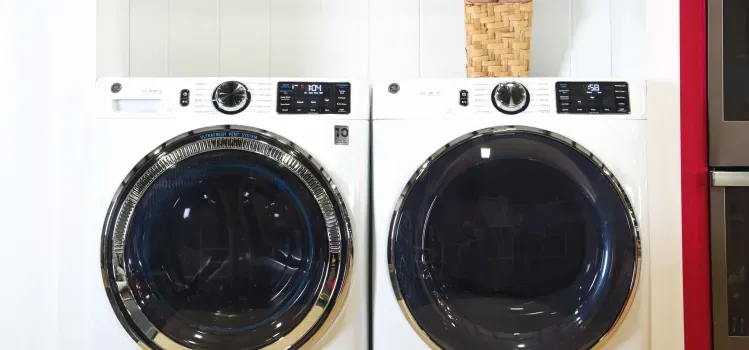
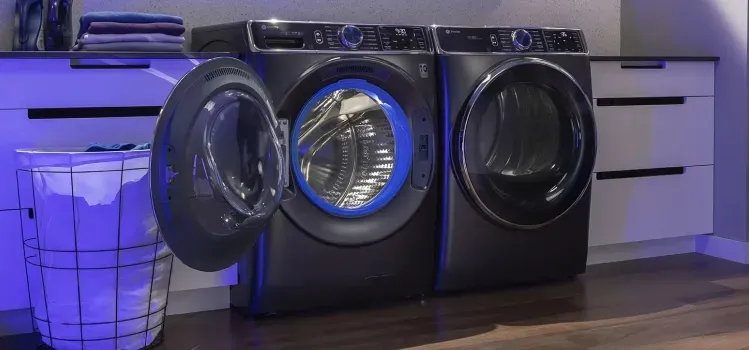
A front-load washer features a horizontally mounted drum with a door located on the front of the appliance. Instead of relying on an agitator, these machines tumble clothing through a small amount of water to provide thorough yet gentle cleaning.
Front-load washers have become increasingly popular because they combine impressive cleaning performance with lower water and energy consumption. Many homeowners also appreciate their ability to stack with compatible dryers, making them an excellent choice for smaller laundry rooms.
Advantages of Front-Load Washers
Front-load washers have earned a reputation for efficiency and superior garment care.
Key benefits include:
-
Excellent stain removal and overall cleaning performance
-
Lower water consumption per cycle
-
Reduced energy usage
-
Higher spin speeds that remove more moisture from clothing
-
Gentler treatment of delicate fabrics
-
Stackable installation options for space-saving laundry rooms
Because clothes come out with less moisture after spinning, dryers often require less time to complete each cycle, helping reduce overall energy costs.
Potential Considerations
Despite their many strengths, front-load washers may not be ideal for every household.
They generally carry a higher purchase price than comparable top-load models and require homeowners to bend when loading and unloading laundry. Front-load machines also benefit from routine maintenance, including keeping the door slightly open between loads and occasionally cleaning the door gasket to help prevent moisture buildup.
These small maintenance habits are easy to incorporate into a regular routine and help keep the washer performing efficiently for years.

Top-Load vs Front-Load Washers: Side-by-Side Comparison
Cleaning Performance
When it comes to removing everyday dirt and stubborn stains, both washer styles deliver excellent results, but they accomplish the job differently.
Front-load washers typically have a slight advantage in cleaning performance because the tumbling action repeatedly lifts and drops clothing through concentrated detergent solutions. This process allows detergent to penetrate fabrics effectively while reducing wear on garments. High spin speeds also extract more water during the final cycle, improving rinse performance and shortening drying times.
Top-load washers remain excellent performers, particularly models equipped with modern wash systems and multiple cycle options. Agitator-equipped machines often excel at removing heavy soil from work clothes, sports uniforms, and durable fabrics. Meanwhile, impeller models provide a gentler wash while maximizing interior capacity for larger loads.
For the average household, either washer style will deliver dependable cleaning results. The deciding factor often comes down to your laundry habits and the types of fabrics you wash most frequently.
Water and Energy Efficiency
Efficiency is one of the biggest differences between these two washer styles.
Front-load washers are specifically engineered to use significantly less water because clothing tumbles through a shallow pool rather than being fully submerged. Less water means less energy is required to heat wash cycles, making these machines among the most efficient laundry appliances available today.
Many front-load models also carry ENERGY STAR® certification, helping homeowners reduce utility costs over time.
Top-load washers have also become much more efficient in recent years, especially high-efficiency impeller models. While they generally consume more water than front-load machines, many newer designs use sensors that automatically adjust water levels based on load size, helping minimize unnecessary consumption.
For homeowners focused on long-term utility savings and environmental efficiency, front-load washers typically hold the advantage.
Capacity and Large Loads
Both top-load and front-load washers are available in large-capacity models designed to handle bulky household items such as comforters, blankets, sleeping bags, and large family laundry loads.
Impeller-style top-load washers often provide slightly more usable interior space because they eliminate the center agitator. This allows larger items to move more freely during wash cycles and makes loading oversized bedding easier.
Front-load washers, however, maximize drum space through their horizontal design and efficient tumbling action. Their ability to thoroughly clean large loads while using less water makes them particularly appealing for families who run frequent laundry cycles.
When comparing capacity, it's important to focus on the washer's cubic-foot rating and interior layout rather than assuming one style automatically holds more than the other.
Cycle Speed and Convenience
For many households, laundry day is all about efficiency. If you're juggling work, school, and family responsibilities, wash cycle length may be just as important as cleaning performance.
Top-load washers generally complete wash cycles faster than front-load models. Many standard cycles finish in 30 to 45 minutes, making them an excellent choice for busy families or homeowners who frequently need clean clothes in a hurry. They're also convenient because you can often pause the cycle to add a forgotten shirt or pair of socks after the wash has started.
Front-load washers typically require longer wash cycles because the tumbling action uses less water and relies on extended contact time to remove soils effectively. While wash times may range from 45 minutes to over an hour, many models offer quick-wash settings for lightly soiled loads. In addition, their higher spin speeds remove more moisture from clothing, which can reduce drying times and partially offset the longer wash cycle.
If completing multiple loads quickly is your priority, a top-load washer may better suit your routine. If you're willing to trade slightly longer wash cycles for improved efficiency and gentler fabric care, a front-load washer remains an outstanding option.
Fabric Care and Clothing Longevity
Protecting your clothing investment is another important consideration when comparing washer styles.
Front-load washers are widely regarded as the gentler option because they clean using a tumbling motion rather than aggressive mechanical agitation. Clothes experience less friction throughout the wash cycle, helping preserve fabric fibers, colors, and garment shape over time. This makes front-load models especially appealing for households that regularly wash athletic apparel, delicate fabrics, or higher-end clothing.
Top-load washers can also provide excellent garment care, particularly high-efficiency impeller models that eliminate the traditional center agitator. While agitator-equipped machines deliver exceptional cleaning power, they may place slightly more stress on fabrics during heavy-duty cycles. However, many newer top-load washers include specialized fabric care settings that help minimize wear while still providing effective cleaning.
Regardless of which washer you choose, selecting the appropriate cycle and avoiding overloading the drum will help extend the life of your clothing.
Installation and Space Requirements
Your laundry room layout may influence which washer style works best in your home.
Top-load washers require enough overhead clearance for the lid to open completely, making them less suitable beneath low cabinets or shelving. However, they don't require bending to load or unload clothes, which many homeowners find more comfortable for everyday use.
Front-load washers offer greater installation flexibility because they can be stacked with compatible dryers using a stacking kit. This vertical configuration frees valuable floor space and is ideal for laundry closets, apartments, condominiums, and compact laundry rooms. Many homeowners also choose to install pedestal drawers beneath front-load washers to increase loading height while adding convenient storage for detergents and laundry supplies.
Before purchasing either style, always measure your available space carefully, including doorway widths, ventilation clearances, and plumbing connections.
Maintenance and Long-Term Care
Every washing machine benefits from routine maintenance, but the maintenance requirements differ slightly between top-load and front-load models.
Top-load washers generally require minimal upkeep beyond occasional cleaning of the drum and detergent dispenser. Many models also feature self-clean cycles that help reduce detergent residue and odors with very little effort from the homeowner.
Front-load washers require a few additional maintenance habits to keep them performing at their best. Leaving the door slightly open after each load allows moisture to evaporate, helping prevent mildew and odors from developing around the door gasket. Periodically wiping the gasket and running a washer-cleaning cycle also helps maintain optimal performance.
Neither maintenance routine is particularly demanding, but homeowners should understand these differences before making a purchase decision.
Initial Cost vs Long-Term Value
Budget is often one of the biggest deciding factors when purchasing a new washer.
Top-load washers generally have a lower initial purchase price, making them attractive for first-time homeowners, rental properties, or anyone replacing an appliance on a tighter budget. Maintenance costs also tend to be straightforward, and the familiar design appeals to many shoppers.
Front-load washers usually require a larger upfront investment, particularly premium models with advanced features and smart technology. However, their reduced water consumption, lower energy usage, and shorter drying times can generate noticeable utility savings over the life of the appliance. For homeowners planning to keep their washer for many years, those long-term savings may help offset the higher purchase price.
Rather than focusing solely on the initial price tag, consider the total cost of ownership, including utility bills, maintenance, and expected lifespan.
Which Washer Is Best for Different Types of Households?
Choosing between a top-load and front-load washer ultimately comes down to your household's unique needs rather than identifying one universally "better" machine.
Choose a top-load washer if you:
-
Prefer shorter wash cycles.
-
Want easier loading and unloading with less bending.
-
Frequently add forgotten clothes after starting a cycle.
-
Want a lower upfront purchase price.
-
Wash heavily soiled work clothes or durable fabrics on a regular basis.
Choose a front-load washer if you:
-
Want maximum water and energy efficiency.
-
Wash delicate clothing, activewear, or specialty fabrics frequently.
-
Need stackable appliances for a smaller laundry room.
-
Prefer higher spin speeds that reduce drying time.
-
Plan to maximize long-term operating savings over the life of the appliance.
Both washer styles are available with advanced features such as steam cycles, smart connectivity, sanitize options, automatic detergent dispensing, and large-capacity drums. By identifying which features matter most to your household, you'll be better equipped to choose a washer that delivers lasting value and dependable performance.
Shop Top-Load and Front-Load Washers at Oliver Dyer's Appliance
Whether you're interested in the convenience of a top-load washer or the efficiency of a front-load model, Oliver Dyer's Appliance carries a wide selection of laundry appliances from today's most trusted brands.
Our appliance experts can help you compare capacities, features, installation requirements, and performance differences so you can confidently choose the right washer for your home. Whether you're replacing a single appliance or upgrading your entire laundry room, we're here to help you find a solution that fits your lifestyle and budget.
Visit Oliver Dyer’s, your trusted appliance store in Fort Worth, to explore the latest top-load and front-load laundry appliances.
Explore the latest dishwashers and discover the perfect appliance for your next kitchen upgrade. Contact us online or give us a call and experience personalized appliance shopping service.
Related Readings from our blog:
FAQs: Top-Load vs Front-Load Washers
Are front-load washers better than top-load washers?
Neither washer style is objectively better because each excels in different areas. Front-load washers typically provide better energy efficiency, water savings, and gentler fabric care, while top-load washers often offer faster cycles and easier loading. The best choice depends on your household's laundry habits, available space, and budget rather than one style outperforming the other in every category.
Do top-load washers clean clothes as well as front-load washers?
Yes. Modern top-load washers deliver excellent cleaning performance, especially high-efficiency models with advanced wash systems. Agitator models are particularly effective on heavily soiled clothing, while impeller models balance strong cleaning performance with improved fabric care. Both washer styles are capable of handling everyday household laundry effectively when used correctly.
Which washer lasts longer?
The lifespan of a washer depends more on build quality, maintenance, and frequency of use than on whether it loads from the top or front. Regular cleaning, proper loading practices, and routine maintenance can significantly extend the life of either style. Purchasing from reputable brands and following manufacturer recommendations will help maximize long-term reliability.
Do front-load washers really save money?
In many cases, yes. Front-load washers generally use less water and electricity per cycle while extracting more moisture during the spin cycle, which can reduce dryer run times. Although they typically cost more upfront, homeowners may recover some of that investment through lower utility bills over the life of the appliance.
Which washer is best for large families?
Both washer styles offer large-capacity models that work well for families, but the ideal choice depends on your priorities. Families that value faster laundry cycles may prefer a top-load washer, while those focused on energy savings and fabric care often choose front-load models. Comparing drum capacity, available wash cycles, and specialty features can help determine which model best fits your household's laundry routine.
Related Articles