
How Long Do Washers and Dryers Last?
Tue Nov 04 2025
- Laundry
When investing in new laundry appliances, one of the first questions homeowners ask is, “How long do washers and dryers last?” It’s a smart consideration, after all, these are hard-working machines that see near-daily use in many households. The average lifespan of washers and dryers can vary depending on the model, usage, and maintenance.
If you’re curious how your laundry appliances measure up, or wondering whether it’s time to replace them, here’s a closer look at how long washers and dryers typically last, what affects their longevity, and how to extend their lifespan.
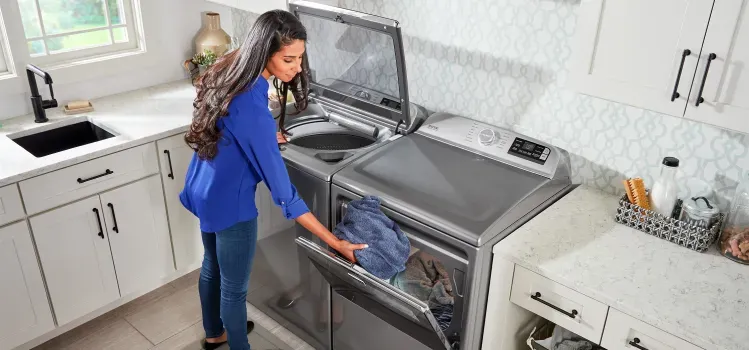
Average Lifespan of Washers and Dryers
Washers and dryers are designed to endure thousands of wash and dry cycles, but every appliance will eventually reach a point where it’s less efficient or requires frequent repairs. Let’s break down the average life expectancy for each type.
How Long Do Washing Machines Last?
Most washing machines last around 10 to 12 years. Front-load washers generally have a slightly shorter lifespan due to their complex door seals and drum bearings, while top-load washers tend to last a little longer thanks to simpler mechanics.
However, quality plays a big role. Premium washers from trusted brands are built with more durable components and advanced wash systems that help extend their life when properly maintained.
How Long Do Dryers Last?
Dryers, both electric and gas models, typically last 10 to 13 years. Gas dryers tend to have a slightly longer lifespan because they run at lower temperatures and dry clothes faster, reducing wear and tear on internal parts.
Proper care also makes a big difference. Regular lint trap cleaning, checking the vent hose for blockages, and avoiding overloading your dryer can all help extend its longevity.
Factors That Affect Appliance Lifespan
Several factors influence how long your washer and dryer will last. Understanding these can help you take better care of your appliances and maximize their performance over time.
-
Usage Frequency: A household running several loads a day will naturally wear out laundry appliances faster than one doing a few loads per week.
-
Maintenance Habits: Regular cleaning, especially of lint filters, drain pumps, and detergent dispensers, can significantly extend life expectancy.
-
Load Size: Overloading puts stress on motors, bearings, and belts. Consistent heavy loads can shorten your washer’s and dryer’s lifespan.
-
Water Quality: Hard water can cause mineral buildup inside washers, impacting efficiency and performance.
-
Environment: Humidity and temperature fluctuations in laundry spaces can affect the longevity of internal components.
-
Brand and Build Quality: Investing in reputable brands known for quality construction pays off in long-term reliability.
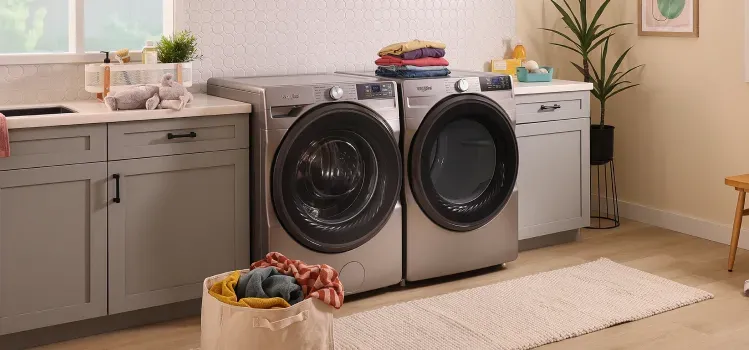
Signs It’s Time to Replace Your Washer or Dryer
Even the best-maintained machines eventually show signs of wear. If you notice any of these issues, it may be time to start shopping for a replacement:
-
Loud or Unusual Noises: Grinding, banging, or squeaking can indicate failing parts.
-
Leaks or Standing Water: Persistent water leaks from your washer could signal a damaged hose or drum issue.
-
Excessive Vibration or Movement: If your washer “walks” across the floor, it may have worn suspension or an unbalanced drum.
-
Inefficient Drying: If clothes consistently come out damp, the heating element or vent system may be failing.
-
Frequent Repairs: When repairs start to cost half as much as a new appliance, replacement is often the better investment.
-
Higher Utility Bills: Older models tend to use more water and energy than new ENERGY STAR® certified appliances.
How to Make Your Washer and Dryer Last Longer
A little care goes a long way when it comes to extending appliance life. Here are a few simple maintenance habits that can help your washer and dryer perform better for longer:
-
Clean Regularly: Wipe down washer drums and doors, run a monthly cleaning cycle with vinegar or a washer cleaner, and clear lint from dryers after every load.
-
Check Hoses and Vents: Inspect washer hoses for cracks and dryer vents for clogs every few months.
-
Avoid Overloading: Follow manufacturer capacity guidelines to prevent excess strain on motors and belts.
-
Level Your Washer: Keep it properly balanced to avoid vibration damage.
-
Use the Right Detergent: High-efficiency (HE) detergents reduce residue buildup in modern washers.
-
Dry Loads Efficiently: Separate heavy and light fabrics to reduce drying time and wear.
Taking these steps helps you get more years of dependable service out of your laundry appliances.
When to Upgrade to a New Washer or Dryer
If your current washer or dryer is nearing or past the 10-year mark, you might consider upgrading, not just for reliability, but also for performance and efficiency.
Modern laundry appliances offer:
-
Smart Features: Wi-Fi connectivity, app controls, and automatic cycle adjustments.
-
Energy Efficiency: ENERGY STAR models use less electricity and water, lowering utility bills.
-
Improved Fabric Care: Steam cycles and sensor drying help preserve clothing longer.
-
Space-Saving Designs: Stackable units and combination laundry machines fit neatly into small spaces.
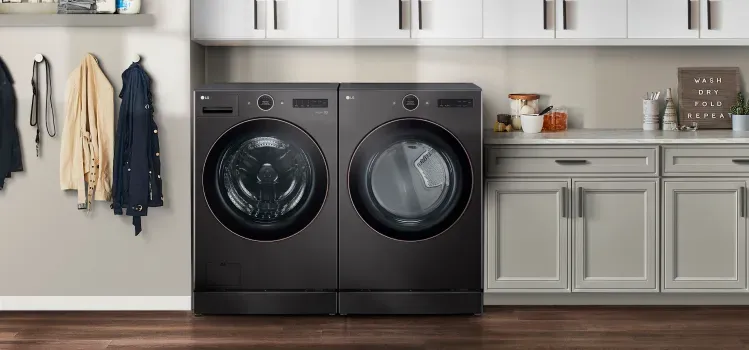
Shop Long-Lasting Laundry Appliances at Oliver Dyer’s
Ready to replace your washer or dryer? You can find a full selection of innovative washers, dryers, laundry pedestals, and more at Oliver Dyer’s Appliance, where our experts can help match you with the right model for your household needs and budget. We carry the latest laundry appliances from trusted brands known for performance and reliability. Whether you’re looking for a high-efficiency front-load washer, a smart dryer, or a space-saving laundry center, you’ll find quality options that make laundry day easier and more efficient.
Visit Oliver Dyer’s appliance showroom in DFW to upgrade your kitchen appliances for the holidays. Contact us or give us a call to experience personalized appliance shopping.
Related Readings from our blog:
FAQs: How Long Do Washers and Dryers Last?
How long should a washer and dryer last?
On average, washers last about 10-12 years and dryers about 10-13 years. The exact lifespan depends on usage, maintenance, and the model’s build quality.
Is it worth repairing an old washer or dryer?
If repairs cost more than 50% of the price of a new unit, or if your appliance is more than 10 years old, replacement is usually the better option for long-term savings and efficiency.
What brand of washer lasts the longest?
Brands known for durability and performance, such as Whirlpool, Maytag, and LG, often have some of the most reliable washers and dryers available.
How do I know when to replace my washer or dryer?
Frequent breakdowns, poor performance, strange noises, or rising energy costs are all signs that it’s time to consider upgrading your laundry appliances.
Related Articles