
How to Choose the Right Range Hood for Your Kitchen
Tue Mar 03 2026
- Kitchen
A range hood may not be the first appliance you think about during a kitchen upgrade, but it plays one of the most important roles. The right range hood improves air quality, removes odors, controls grease buildup, and protects your cabinetry from long-term damage.
If you're shopping for a new hood, you may be asking:
-
Should I choose ducted or ductless?
-
How powerful does my hood need to be?
-
What size works best for my range?
-
Do I need a professional-style hood?
In this guide, we’ll walk you through everything you need to know to confidently choose the right range hood for your kitchen.
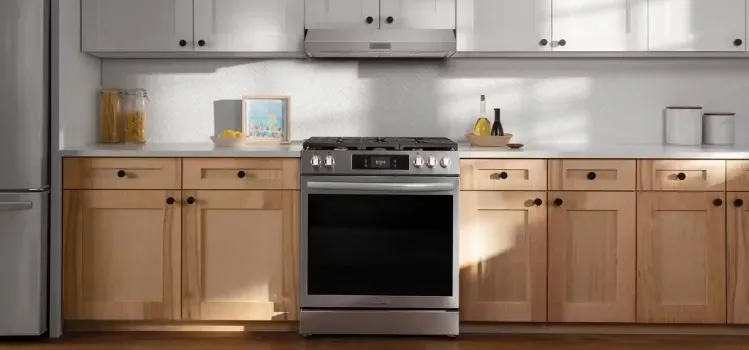
Why Your Range Hood Matters More Than You Think
A range hood isn’t just about clearing smoke. It helps:
-
Remove airborne grease particles
-
Vent excess heat
-
Reduce lingering cooking odors
-
Improve overall indoor air quality
-
Protect cabinets and walls from residue buildup
Without proper ventilation, steam, grease, and smoke can accumulate in your kitchen over time, affecting both comfort and cleanliness.
Choosing the right hood ensures your cooking space stays fresh, functional, and safe.
Step 1: Choose the Right Ventilation Type
The first and most important decision is selecting your ventilation style.
Ducted Range Hoods
Ducted hoods vent air outside your home through ductwork. They are considered the most effective ventilation option.
Best For:
-
Frequent cooks
-
Gas ranges
-
High-heat cooking
-
Open-concept kitchens
Benefits:
-
Strong odor removal
-
Better grease capture
-
Reduced indoor humidity
-
Long-term air quality improvement
If you cook daily or use high-BTU burners, ducted ventilation is often the best choice.
Ductless (Recirculating) Range Hoods
Ductless hoods filter air through charcoal filters and recirculate it back into the kitchen.
Best For:
-
Apartments or condos
-
Kitchens without exterior venting access
-
Light to moderate cooking
Benefits:
-
Easier installation
-
No ductwork required
-
Lower upfront installation cost
While convenient, ductless hoods are typically less powerful than ducted models.
Convertible Range Hoods
Convertible hoods give you flexibility, they can operate as ducted or ductless, depending on how they’re installed.
Best For:
-
Remodels
-
Future-proofing your kitchen
-
Homeowners who may upgrade ventilation later
This option gives flexibility without locking you into one configuration.
Professional Range Hoods
Professional hoods are designed for high-powered ranges and serious cooking.
Best For:
-
High-BTU gas ranges
-
Large cooktops
-
Frequent entertaining
-
Heavy-duty cooking
These models typically offer:
-
Higher CFM ratings
-
Larger canopy coverage
-
Stronger grease filtration
-
More durable construction
If you own a professional-style range, pairing it with a standard hood may not provide enough ventilation power.
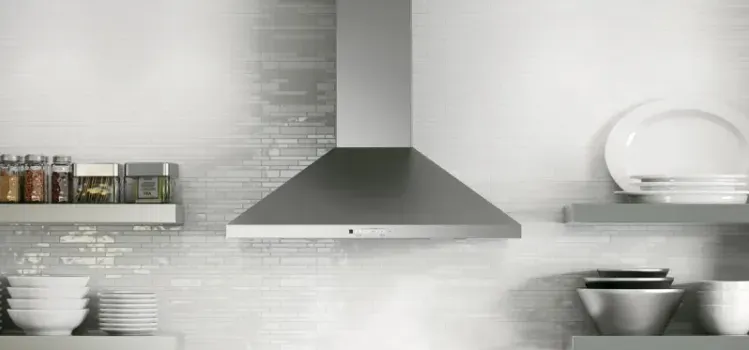
Step 2: Understand CFM (Ventilation Power)
CFM (Cubic Feet per Minute) measures how much air the hood moves.
General Guidelines
-
300-400 CFM: Light cooking
-
400-600 CFM: Moderate cooking
-
600+ CFM: Heavy cooking or gas ranges
-
900+ CFM: Professional kitchens
For gas ranges, a common rule is 100 CFM per 10,000 BTUs of burner output.
Choosing too little power means lingering odors and poor ventilation. Choosing too much may increase noise and require makeup air systems.
Step 3: Select the Right Size
Your range hood should be:
-
At least as wide as your cooktop
-
Ideally 3 inches wider on each side for optimal capture
Common sizes:
-
30-inch hood (for 30-inch range)
-
36-inch hood (for 36-inch cooktop)
-
48-inch hood (for professional setups)
Proper sizing ensures smoke and steam don’t escape around the edges.
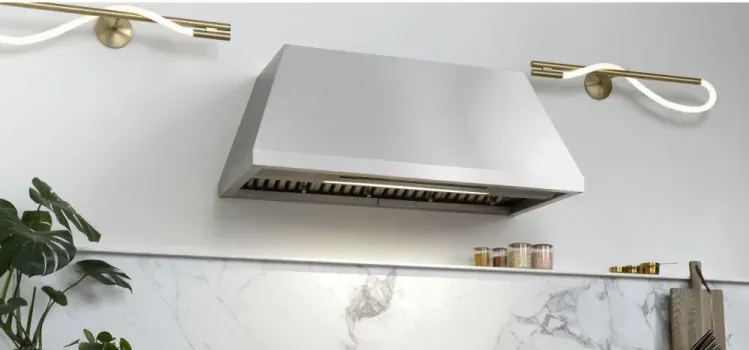
Step 4: Consider Noise Levels (Sones)
Range hood noise is measured in sones.
-
1-3 sones: Quiet operation
-
4-6 sones: Moderate
-
7+ sones: Loud
If your kitchen opens into living areas, quieter models are worth considering.
Step 5: Match Your Kitchen Style
Range hoods are both functional and visual focal points.
Options include:
-
Wall-mounted chimney hoods
-
Under-cabinet hoods
-
Island hoods
-
Custom insert hoods
-
Professional stainless steel hoods
Choose a finish that complements your cabinetry and appliances, such as stainless steel, matte black, or panel-ready options.
Step 6: Think About Filters and Maintenance
Range hoods use:
-
Aluminum mesh filters
-
Baffle filters (common in professional hoods)
-
Charcoal filters (for ductless models)
Baffle filters are easier to clean and ideal for heavy cooking. Most filters are dishwasher-safe for convenience.
Common Mistakes to Avoid When Buying a Range Hood
-
Choosing a hood too small for your range
-
Ignoring CFM requirements
-
Skipping ductwork inspection during remodel
-
Overlooking noise levels
-
Not considering long-term cooking habits
Proper planning ensures long-term satisfaction.
Which Range Hood Is Right for You?
Choosing the right range hood ultimately depends on how you cook, your kitchen layout, and your long-term plans for the space.
If you cook occasionally and mostly prepare light meals, a 300–400 CFM ductless hood may be sufficient. These models are ideal for apartments or kitchens without exterior venting access.
If you cook frequently or use a gas range, a ducted hood with at least 600 CFM is typically the better choice. Ducted systems vent smoke and odors outside your home, providing stronger performance and improved air quality.
If you own a professional-style or high-BTU range, you should strongly consider a professional-grade hood. These models offer higher CFM ratings, larger canopy coverage, and more durable filtration systems designed to handle heavy-duty cooking.
If you live in a condo or cannot install ductwork, a ductless or convertible hood provides flexibility while still improving ventilation.
If you’re planning a kitchen remodel and want future flexibility, a convertible hood gives you the option to switch between ducted and ductless configurations later.
When in doubt, match your hood’s ventilation power, size, and installation type to your cooking habits, not just your kitchen’s appearance. The right choice ensures long-term comfort, cleaner air, and better kitchen performance.
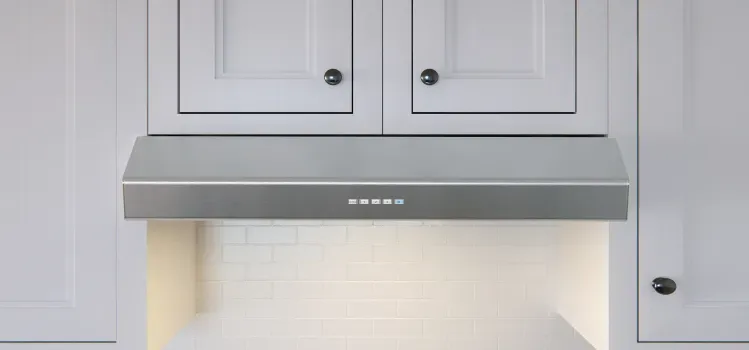
Why Buy Your Range Hood from Oliver Dyer’s?
Choosing the right hood isn’t just about specs, it’s about compatibility with your range, kitchen layout, and ventilation structure.
At Oliver Dyer’s, our appliance specialists help you:
-
Match hood size to cooktop
-
Calculate proper CFM
-
Compare ducted vs ductless options
-
Select styles that fit your kitchen design
-
Coordinate installation planning
Our team makes sure your kitchen ventilation works as beautifully as it looks.
Visit Oliver Dyer’s in Fort Worth, your trusted Texas appliance store, to explore the latest cooking appliances from top brands and make sure your next cooking appliance upgrade meets your needs. Shop wall ovens, kitchen ranges, cooktops, and more with peace of mind and comfort. Contact us or give us a call and experience the difference in home appliance shopping.
Related Readings from our blog:
FAQs: How to Choose the Right Range Hood for Your Kitchen
Do I really need a range hood?
Yes. A range hood removes smoke, grease, and odors, protecting both air quality and cabinetry.
Is ducted better than ductless?
In most cases, yes. Ducted hoods vent air outside and provide stronger odor and heat removal.
What CFM do I need for a gas range?
Typically 600+ CFM depending on BTU output.
Can I install a professional hood without a professional range?
Yes, but ensure your kitchen layout supports the ventilation requirements.
How often should I clean my hood filters?
Every 1-3 months, depending on cooking frequency.
Related Articles