
What Is a Convection Oven and Is It Worth It?
Mon Aug 10 2026
- Kitchen
If you are shopping for a new range or wall oven, you may be wondering, "What is a convection oven, and is a convection oven worth it?" Convection ovens use a fan to circulate hot air around your food. This moving air can help meals cook faster, promote more even baking, and create crispier, more evenly browned results.
For many households, convection is a useful feature that makes everyday cooking more efficient. However, it is not necessarily the best setting for every recipe. Understanding the differences between convection vs. conventional oven cooking can help you decide whether this feature belongs in your next appliance.
Key Takeaways: What is a Convection Oven?
-
Convection ovens use a fan to circulate hot air, helping food cook faster, brown more evenly, and produce crispier results than conventional ovens.
-
Most modern ranges and wall ovens offer both convection and conventional cooking, giving you the flexibility to choose the best setting for each recipe.
-
Convection excels at roasting meats, vegetables, cookies, pizza, casseroles, and frozen foods, while delicate baked goods like soufflés, cheesecakes, and custards often perform better with conventional heat.
-
Many convection ovens are more energy-efficient because they can shorten cooking times, allow for lower cooking temperatures, and make it easier to cook multiple dishes at once.
-
True convection ovens include an additional heating element near the fan for even greater temperature consistency, making them ideal for frequent bakers and home chefs.
-
When shopping for a convection oven, compare features such as cooking modes, oven capacity, smart technology, rack design, and cleaning options to find the model that best fits your cooking style and kitchen.
-
Oliver Dyer's Appliance offers a wide selection of convection ranges and wall ovens, with expert guidance to help you compare models, understand advanced cooking features, and choose the right appliance for your home.
What Is a Convection Oven?
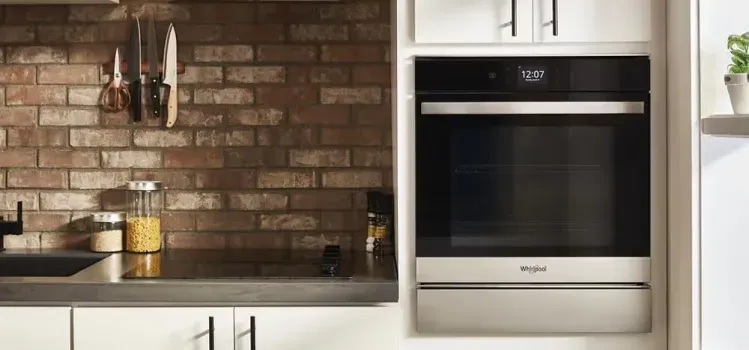
A convection oven is an oven equipped with a fan that circulates heated air throughout the cooking area. Some models also include an additional heating element near the fan for more consistent heat distribution.
In a conventional oven, heat primarily comes from the elements at the top and bottom. The air remains relatively still, which can create warmer and cooler areas inside the oven.
A convection fan keeps the air moving. This helps hot air reach the food more consistently, even when multiple racks are being used.
Many modern ovens provide both conventional and convection settings, so you can choose the cooking method that works best for each dish.
Convection vs. Conventional Oven: What Is the Difference?
The primary difference between a convection vs. conventional oven is how heat moves through the oven cavity.
| Feature | Convection Oven | Conventional Oven |
|---|---|---|
| Air movement | A fan circulates heated air | Air remains mostly still |
| Cooking speed | Often cooks food faster | Usually requires the full recipe time |
| Browning | Encourages crisp, even browning | May brown less evenly |
| Multiple racks | Better suited for multi-rack cooking | Results may vary between racks |
| Best uses | Roasting, cookies, vegetables, pizza | Cakes, custards, breads, delicate baked goods |
A convection oven is not an entirely different type of appliance. In most cases, convection is an additional cooking mode included in an electric or gas oven.
Does a Convection Oven Cook Faster?
Yes, convection ovens often cook food faster than conventional ovens. Moving hot air transfers heat to the surface of the food more efficiently, which can shorten the cooking time.
Depending on the food and oven, convection cooking may reduce the total cooking time by approximately 20 to 25 percent. You may also be able to lower the recipe temperature by 25°F.
Every oven operates a little differently, so check your owner's manual for model-specific recommendations. It is also a good idea to watch unfamiliar recipes closely the first time you prepare them using convection.
Does Convection Provide More Even Baking?
The circulating air in a convection oven can reduce hot and cool spots. That often leads to more consistent baking and roasting, especially when you are cooking on multiple racks.
Convection can be helpful when you are:
-
Baking several trays of cookies
-
Roasting a large pan of vegetables
-
Preparing multiple dishes at once
-
Cooking food that should brown evenly
-
Trying to achieve a crisp exterior
The fan continuously moves heat around the food, helping each side receive more consistent exposure. You may still need to rotate certain pans, but convection usually produces more uniform results than a conventional setting.
Are Convection Ovens More Energy-Efficient?
A convection oven can be more energy-efficient because it may cook food at a lower temperature or in less time. Shorter cooking cycles mean the oven may not need to remain on as long.
Convection cooking may also allow you to prepare food on multiple racks simultaneously. Instead of baking several batches one after another, you may be able to finish everything in one cycle.
The exact energy savings will depend on the appliance, the recipe, and how frequently you use convection. Look for energy-saving features such as:
-
Rapid preheating
-
Accurate temperature controls
-
Efficient insulation
-
Multiple convection modes
-
No-preheat cooking options
Convection can improve cooking efficiency, but the overall efficiency of the oven still depends on the quality and design of the appliance.
What Foods Are Best for Convection Cooking?
Convection works particularly well for foods that benefit from fast cooking, even heat, browning, or a crispy exterior.
Roasted Meat and Poultry
Circulating heat can help the outside of a roast or chicken brown while cooking the interior evenly. Convection is a popular choice for:
-
Whole chickens
-
Turkey
-
Pork roast
-
Beef roast
-
Chicken thighs and wings
Always check the internal temperature with a food thermometer rather than relying only on the cooking time.
Roasted Vegetables
Convection helps moisture evaporate from the surface of vegetables, encouraging caramelization instead of leaving them soft or soggy.
Try convection for:
-
Potatoes
-
Carrots
-
Brussels sprouts
-
Broccoli
-
Cauliflower
-
Squash
Leave some space between the pieces so air can circulate around them.
Cookies and Pastries
Convection is useful when baking multiple trays of cookies because the circulating heat can provide more consistent results from rack to rack.
It can also work well for pastries that should become flaky, golden, or crisp. Keep in mind that lightweight parchment paper may move around when the fan is running, so make sure it is secured beneath the food.
Pizza
Convection can help create a crisp pizza crust while evenly melting and browning the cheese. It is useful for both homemade and frozen pizzas.
Casseroles
Many casseroles work well with convection, especially when you want a browned or crisp topping. You may want to cover the dish during the early part of the cooking time and uncover it near the end.
Frozen Foods
Convection is a good option for frozen foods that taste best with a crispy exterior, including:
-
French fries
-
Chicken tenders
-
Pizza
-
Tater tots
-
Breaded appetizers
Some convection ovens also include an air fry mode designed to circulate hot air at a higher speed.
When Should You Avoid Using Convection?
Convection is versatile, but some foods perform better with gentle, still heat. The fan can interfere with dishes that need to rise slowly, set evenly, or retain moisture.
Consider using the conventional setting for:
-
Custards and flans
-
Souffles
-
Delicate cakes
-
Cheesecakes
-
Quick breads
-
Recipes with loose batter
-
Breads that need a moist environment
Traditional cooking may also be preferable when a recipe was carefully developed and tested for a conventional oven. If you are unsure, follow the recipe instructions first and experiment with convection later.
What Is True Convection?
While comparing ovens, you may encounter terms such as standard convection, true convection, European convection, and fan convection.
Standard convection typically uses the oven's main heating elements along with a fan to circulate the heated air.
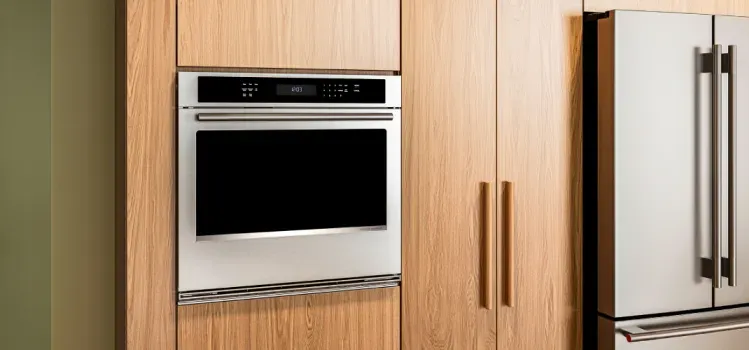
True convection adds a third heating element around or near the fan. This additional element helps maintain a more consistent temperature as the fan circulates air.
True convection can be especially helpful for:
-
Baking on multiple racks
-
Preparing several dishes at once
-
Achieving consistent results throughout the oven
-
Reducing temperature fluctuations
Names and designs vary between manufacturers, so look beyond the marketing term and read the product description to understand how the convection system works.
Is Convection the Same as Air Frying?
Convection cooking and air frying use the same general idea: rapidly circulating heated air around food. However, they are not always identical.
An oven with air fry typically uses faster fan speeds and concentrated heat to create a crisp exterior. It is designed to provide results similar to a countertop air fryer without requiring a separate appliance.
A standard convection setting usually circulates air more gently. It is better suited for general baking and roasting.
If you enjoy fried foods but want to use little or no oil, an oven with a built-in air-fry mode may be worth considering. Be sure to check whether the required air fry basket is included or sold separately.
Is a Convection Oven Worth It?
A convection oven is worth it for many households, particularly if you cook frequently or want greater versatility from your kitchen appliances.
You may appreciate convection if you:
-
Want to reduce cooking times
-
Roast meat or vegetables regularly
-
Bake multiple trays at once
-
Prefer evenly browned and crispy foods
-
Prepare large meals for family gatherings
-
Want greater control over how different foods cook
It may be less important if you rarely use your oven, primarily bake delicate desserts, or rely more heavily on a cooktop, microwave, or countertop appliance.
Because many modern ranges and wall ovens include both conventional and convection settings, you do not necessarily need to choose one method over the other. A dual-function oven lets you use convection when it offers an advantage and switch back to conventional baking when a recipe requires gentler heat.
What to Look for When Buying a Convection Oven
Not every convection oven provides the same features or performance. Consider how you cook and which options would make a noticeable difference in your kitchen.
Important features to compare include:
-
Convection type: Determine whether the oven offers fan convection or true convection with an additional heating element.
-
Cooking modes: Look for options such as convection bake, convection roast, air fry, proofing, broiling, and no-preheat cooking.
-
Oven capacity: A larger oven may be useful for big roasting pans or cooking on multiple racks.
-
Rack design: Smooth-gliding, adjustable, or heavy-duty racks can make large dishes easier to handle.
-
Temperature conversion: Some ovens automatically adjust conventional recipe temperatures when convection is selected.
-
Cleaning options: Compare self-cleaning, steam-cleaning, and removable rack features.
-
Smart controls: Wi-Fi-enabled ovens may allow you to monitor cooking, preheat the oven, or receive notifications through an app.
-
Configuration: Convection is available in freestanding ranges, slide-in ranges, single wall ovens, and double wall ovens.
Tips for Better Convection Cooking
Using convection is easy once you understand a few basic techniques.
-
Lower the recipe temperature by about 25°F when appropriate.
-
Start checking the food before the original cooking time ends.
-
Use shallow pans when possible so heated air can circulate easily.
-
Avoid overcrowding pans or placing food directly against oven walls.
-
Leave space between multiple baking sheets.
-
Use pans with low sides for roasting and browning.
-
Monitor delicate foods closely until you know how your oven performs.
-
Use a food thermometer to confirm that meat has reached a safe internal temperature.
Shop Convection Ovens at Oliver Dyer's Appliance
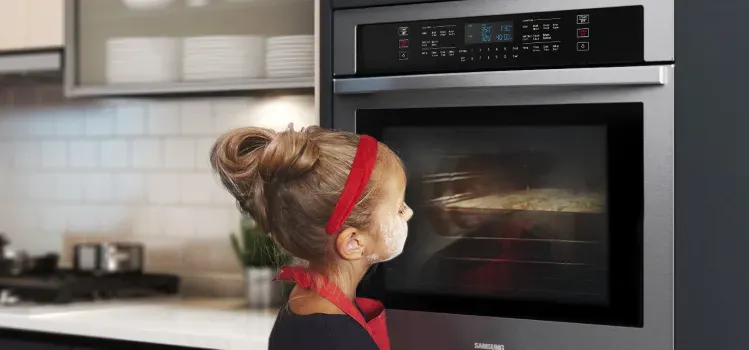
If you are ready to enjoy faster cooking, more even baking, and versatile cooking modes, visit Oliver Dyer's Appliance in Fort Worth. We carry convection ranges and wall ovens from trusted appliance brands, with options for different kitchen layouts, cooking styles, and budgets.
Our knowledgeable team can help you compare standard convection, true convection, air fry, and other cooking features. You can also ask about current appliance rebates, financing options, appliance packages, delivery, installation, and scratch and dent appliances with minor cosmetic imperfections.
Visit our Fort Worth appliance store or contact us to find an oven that fits the way you cook.
Related readings from our blog:
FAQs: What is a Convection Oven?
What is the difference between a convection oven and a conventional oven?
A conventional oven heats food using stationary heating elements, while a convection oven uses a fan to circulate hot air throughout the oven cavity. This constant airflow helps food cook more evenly, often reducing cooking times and improving browning. Because many modern ovens offer both cooking modes, you can easily switch between convection and conventional settings depending on the recipe.
Can I use regular baking pans in a convection oven?
Yes, most oven-safe metal, glass, and ceramic cookware can be used safely in a convection oven. Shallow baking sheets and low-sided pans often produce the best results because they allow hot air to circulate more freely around the food. If you're trying convection for the first time, monitor your recipes closely since cooking times may be shorter than you're used to.
Do I need to preheat a convection oven?
In most cases, yes. Although convection ovens often preheat faster than conventional ovens, preheating helps ensure the oven reaches the correct temperature before cooking begins, resulting in more consistent results. Some newer models include no-preheat cooking modes for specific foods, so it's always worth checking your owner's manual for model-specific recommendations.
Should I use convection for baking cakes?
It depends on the type of cake you're making. Dense cakes and sheet cakes may bake well with convection, but delicate cakes such as sponge cakes, cheesecakes, soufflés, and angel food cakes often achieve better results with conventional heat because the still air allows them to rise more evenly. If you're adapting a favorite recipe for convection, consider lowering the temperature by about 25°F and checking for doneness a little earlier than the recipe suggests.
Related Articles